At its core, the typical Law & Order rap narrative follows a predictable, almost ritualistic structure. The episode opens with a crime—often a shooting tied to the music industry. The detectives, usually Briscoe or Stabler, enter a world of diamond chains, recording booths, and entourages. They encounter a rapper character (often played by a real-life hip-hop figure like Method Man, Busta Rhymes, or Lord Jamar) who embodies a specific stereotype: the “humble artist” caught in a violent system, the “gangsta” performer whose on-stage persona mirrors his real-life criminality, or the slick, exploitative record label owner. The dramatic tension hinges on a single question: is the rapper’s violent art a reflection of his soul, or a calculated performance for profit?
The franchise’s answer is characteristically ambivalent but leans toward a conservative suspicion of the art form. In many episodes, the rapper is a red herring—a loud, threatening presence whose bravado masks innocence. In these cases, the true villain is often a non-rap figure: a corrupt cop, a greedy label executive, or a suburbanite who took the lyrics too literally. However, in just as many cases, the rapper is guilty. His lyrics, presented as prosecution exhibits, become a confession. The show thus perpetually asks: do we hold the artist accountable for the world he describes? This question is rarely posed to country singers who sing about prison or folk singers who chronicle poverty. For Law & Order , rap lyrics possess a unique, dangerous power—they are not art but testimony.
Ultimately, the rapper on Law & Order is a Rorschach test for the audience’s own biases. For the conservative viewer, the episode confirms that rap music is a criminal conspiracy set to a beat. For the liberal viewer, it’s a tragedy of circumstance and exploitation. For the hip-hop fan, it’s a frustrating, often inaccurate caricature that reduces a complex art form to a police blotter. Yet, the archetype endures because it touches a real nerve. The courtroom and the recording studio are both stages, both places where identity is performed, judged, and sentenced. Law & Order , with its signature chung-chung , may not understand hip-hop, but it perfectly understands America’s enduring fear of it. And for three decades, that fear has made for compelling, if problematic, television. The final verdict is not on the rapper, but on a legal system that struggles to tell the difference between a metaphor and a murder weapon.
This brings us to the most fascinating legal device the show employs: the subpoenaed lyric. Time and again, prosecutors like Jack McCoy or Ben Stone argue that a rapper’s violent bars are admissible as a "statement of a party opponent" or evidence of motive. The defense attorney, often a crusading idealist or a cynical hack, counters that lyrics are protected speech, metaphor, or a character. The show uses this debate to stage a miniature culture war. The prosecution represents a literal, textual reading of Black culture, one that refuses to acknowledge irony or persona. The defense, meanwhile, fights for the principle that a rhyme is not a crime. In the Law & Order universe, the prosecution usually wins the legal argument, even if the rapper is acquitted. The message is clear: in the eyes of the law, the mask is the man.

In closed-group testing with our
existing beta customers & associates
Browser fingerprinting is the technique used by social websites to track their users. Using these stealthy techniques they can spot that it is you even if you log in using different social and ad accounts.
Result : Unreasonable limitations and ban hammers not just for one account but all your accounts in one go.
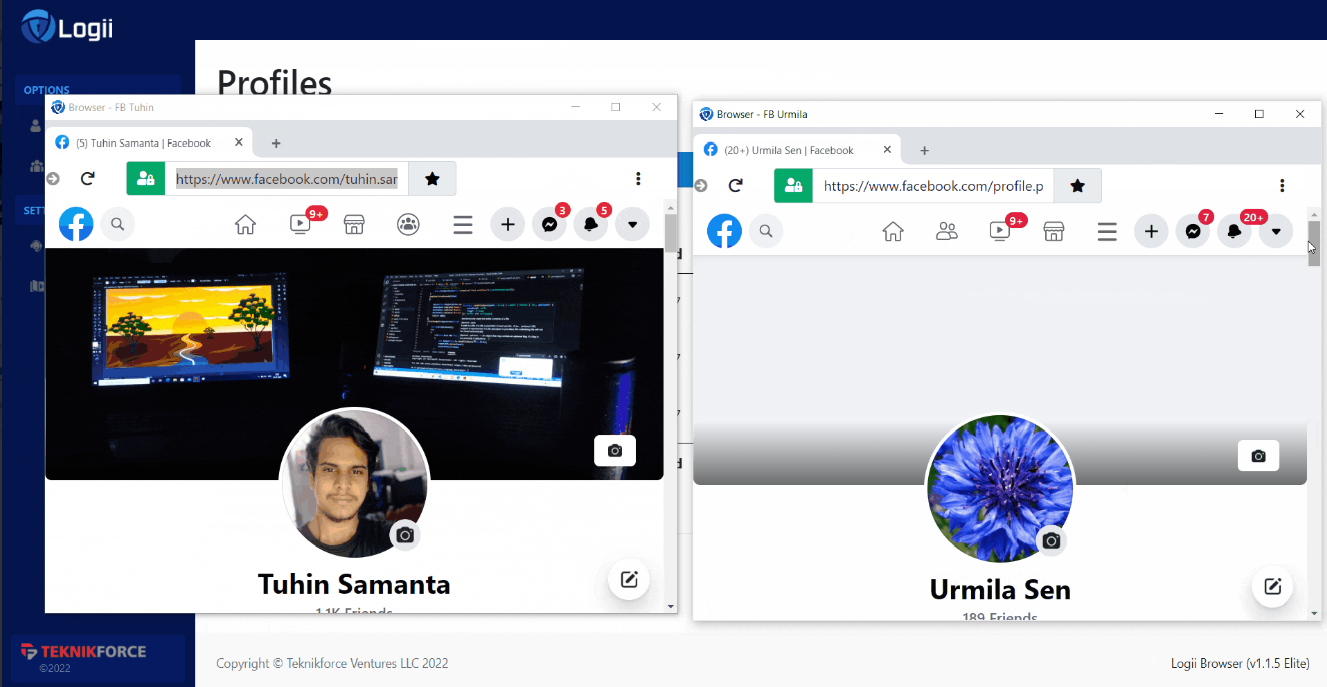
Multiple accounts from one computer without problems.
100% protection on all social media sites, forum sites & blog sites.
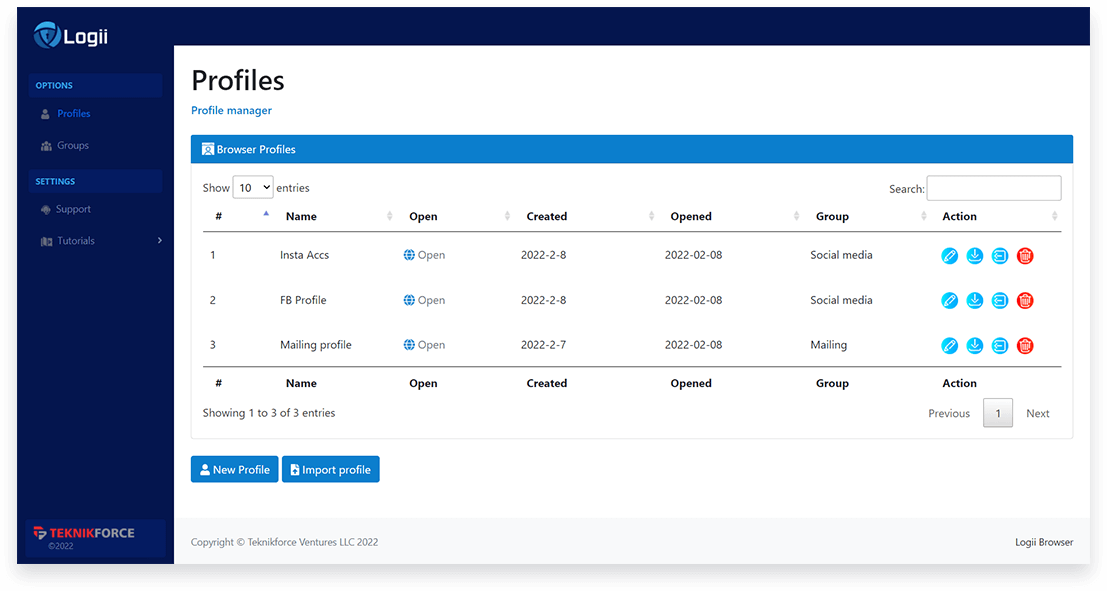
Secure multi-login browsing right on your computer.
Run multi-login, multi-account campaigns for yourself or clients


| Product Name | Monthly | Yearly | Savings |
|---|---|---|---|
AdsPower |
$97/Month | $1164/Year | $1097/Year |
Multilogin |
$99/Month | $1188/Year | $1091/Year |
GoLogin |
$99/Month | $1188/Year | $1091/Year |


Run multiple ad accounts from one computer with no shared footprint.
Tired of outreach limits? Just toggle to a different account and continue.
Wish to create more buzz for your services? Use multi-account safely on forums to push your products ahead.
Want to get approved on more blogs? Use Logii to comment from the geographics that bloggers prefer. Leave multi-account comments.
Choose your location, IP, browser-type, device and more whenever you browse any site.
Control your browser geo-location.
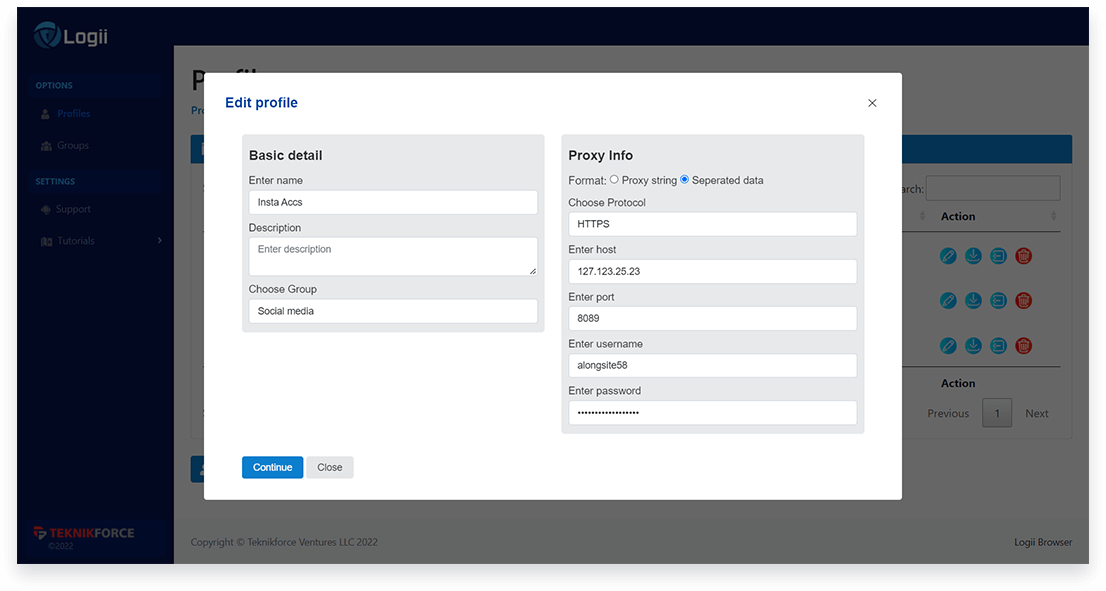
Connect your account to any free or paid proxy.
Every identity gets a totally separate cookie & session instance with nothing shared.
Use the user-agent you want, the device you want & resolution you want for the sites you browse.
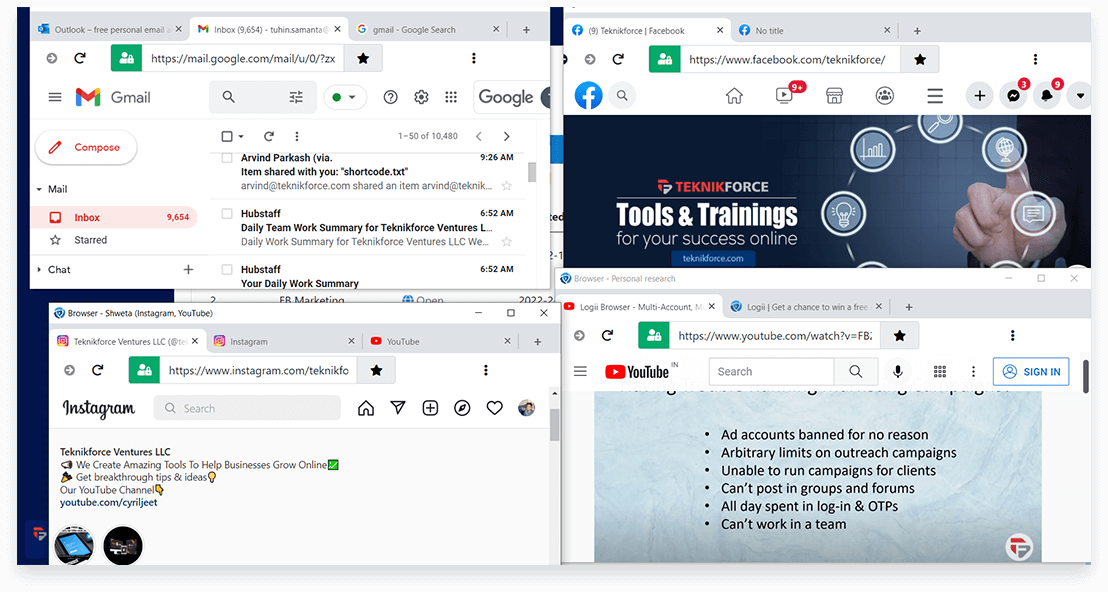
Each identity browses in its own virtual environment with no shared resource. Anti-detection keeps your account safe every day.
If you are a digital marketer you need Logii no matter whether you do your marketing through SEO (blog), Social Media (Messaging & Outreach) or Ads.
8x cheaper than VPS, 10x cheaper than competing multi-login browsers. 100% better.
Want to run campaigns for your clients? Use Logii browser to run their campaigns in protected environments. Don’t let one mistake kill all your clients.
Work on your campaigns and then let your team members get access with just a click. No sharing of passwords.
No logout-login madness. No endless OTPs. Logii is fast, secure and easy.
At its core, the typical Law & Order rap narrative follows a predictable, almost ritualistic structure. The episode opens with a crime—often a shooting tied to the music industry. The detectives, usually Briscoe or Stabler, enter a world of diamond chains, recording booths, and entourages. They encounter a rapper character (often played by a real-life hip-hop figure like Method Man, Busta Rhymes, or Lord Jamar) who embodies a specific stereotype: the “humble artist” caught in a violent system, the “gangsta” performer whose on-stage persona mirrors his real-life criminality, or the slick, exploitative record label owner. The dramatic tension hinges on a single question: is the rapper’s violent art a reflection of his soul, or a calculated performance for profit?
The franchise’s answer is characteristically ambivalent but leans toward a conservative suspicion of the art form. In many episodes, the rapper is a red herring—a loud, threatening presence whose bravado masks innocence. In these cases, the true villain is often a non-rap figure: a corrupt cop, a greedy label executive, or a suburbanite who took the lyrics too literally. However, in just as many cases, the rapper is guilty. His lyrics, presented as prosecution exhibits, become a confession. The show thus perpetually asks: do we hold the artist accountable for the world he describes? This question is rarely posed to country singers who sing about prison or folk singers who chronicle poverty. For Law & Order , rap lyrics possess a unique, dangerous power—they are not art but testimony.
Ultimately, the rapper on Law & Order is a Rorschach test for the audience’s own biases. For the conservative viewer, the episode confirms that rap music is a criminal conspiracy set to a beat. For the liberal viewer, it’s a tragedy of circumstance and exploitation. For the hip-hop fan, it’s a frustrating, often inaccurate caricature that reduces a complex art form to a police blotter. Yet, the archetype endures because it touches a real nerve. The courtroom and the recording studio are both stages, both places where identity is performed, judged, and sentenced. Law & Order , with its signature chung-chung , may not understand hip-hop, but it perfectly understands America’s enduring fear of it. And for three decades, that fear has made for compelling, if problematic, television. The final verdict is not on the rapper, but on a legal system that struggles to tell the difference between a metaphor and a murder weapon.
This brings us to the most fascinating legal device the show employs: the subpoenaed lyric. Time and again, prosecutors like Jack McCoy or Ben Stone argue that a rapper’s violent bars are admissible as a "statement of a party opponent" or evidence of motive. The defense attorney, often a crusading idealist or a cynical hack, counters that lyrics are protected speech, metaphor, or a character. The show uses this debate to stage a miniature culture war. The prosecution represents a literal, textual reading of Black culture, one that refuses to acknowledge irony or persona. The defense, meanwhile, fights for the principle that a rhyme is not a crime. In the Law & Order universe, the prosecution usually wins the legal argument, even if the rapper is acquitted. The message is clear: in the eyes of the law, the mask is the man.

Making up your mind is hard, especially when it's a new technology that you haven't tried yet. Well,we really want you to have the first mover's advantage, and that's why we are prepared to bear all the risk.

Here's our guarantee!
Buy Logii Elite, and use it for up to 30 days risk-free. If you don't like what it does for you and your business, just let us know within 30 days through a support ticket at https://teknikforce.com/support and we will refund you 100% of the money you paid

Bad support can destroy your investment and happiness. When you buy from Teknikforce you get the guarantee of good quality support.

We have 24 x 6 chat support here. Yes, if you ever have any issues using Logii Elite. just come to this website and talk to our live support agent. We are always here to guide you.
When you open a ticket with us, you'll get a guaranteed response within 24 hours.
Having trouble making something work? Our tech agents will help you on Skype and on Teamviewer / Ultraviewer to fix your problem.